
Unlocking Energy: How Your Liver Health Impacts Hormones and Vitality
Are you feeling constantly tired or experiencing hormonal imbalances? Your liver could be the hidden culprit. In our latest video, created in collaboration with LiverScan, we delve into the crucial role of liver health and how it impacts your overall well-being. Join us as we uncover essential tips and expert insights on keeping your liver in top shape. Don't miss out on this eye-opening journey to better health—watch now and take the first step towards feeling your best!
- Published
- 4 min read
- By Charmaine Shepherd, IFM Certified Practitioner
Fatty liver disease is common, usually causes no symptoms, and is often found by chance. It affects more than the liver: it is closely linked with heart disease and type 2 diabetes. The good news is that, in its early stages, healthy lifestyle changes can reduce the fat in your liver and help stop damage getting worse. A simple scan can show where you stand.
Are you feeling constantly tired or experiencing hormonal imbalances? Your liver could be the hidden culprit. In this video, created in collaboration with LiverScan, we look at the crucial role of liver health and how it affects your overall wellbeing, with practical tips for keeping your liver in good shape.
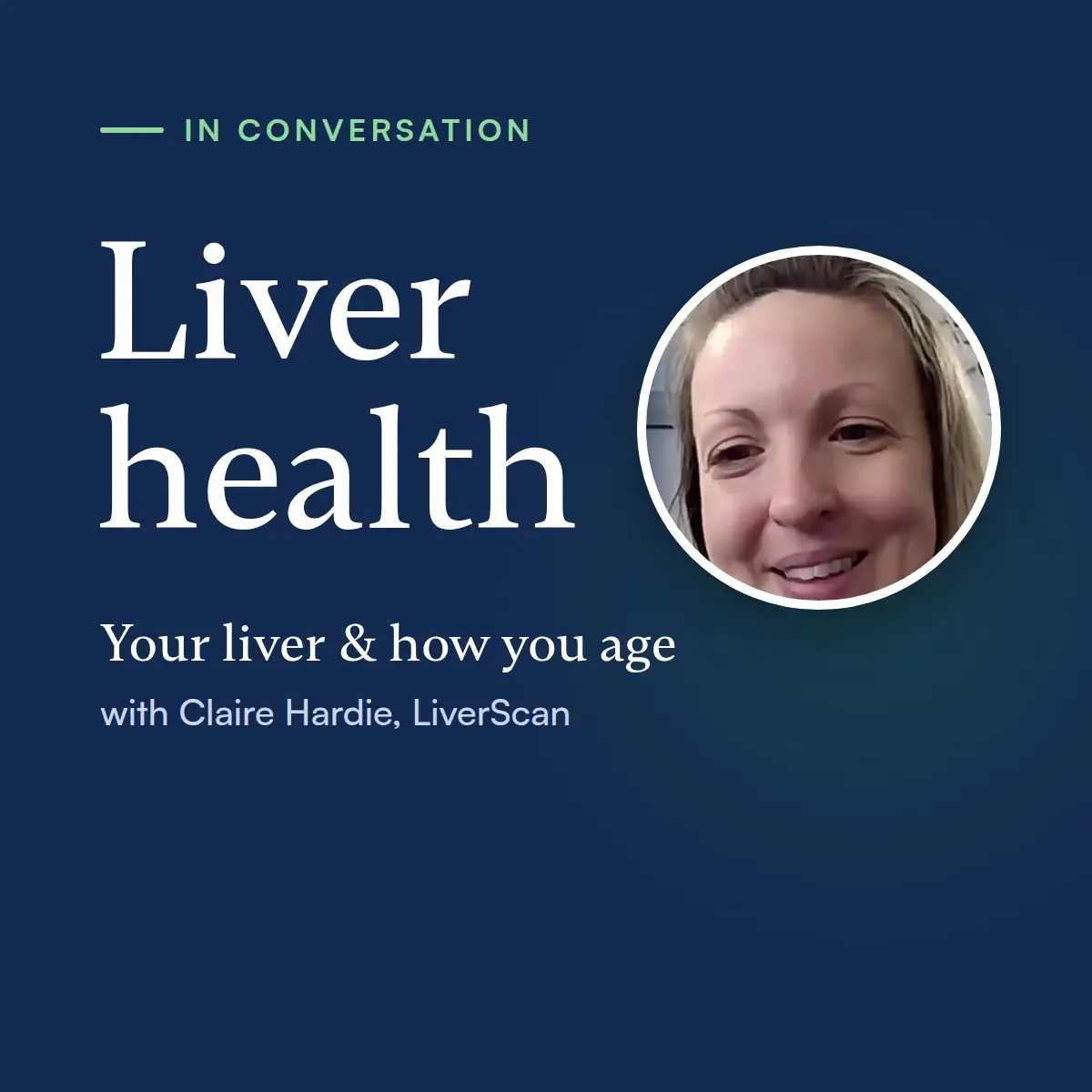
In the video, Charmaine talks to Claire Hardie, Chief Operating Officer at LiverScan, an Edinburgh clinic that specialises in liver scanning. Here is a summary of the key points about fatty liver disease, and what you can do about it.
What is fatty liver disease?
Non-alcoholic fatty liver disease (NAFLD) is a common condition where fat builds up in the liver. It is now also called metabolic dysfunction-associated steatotic liver disease (MASLD), because it is so closely tied to metabolic health, such as weight, blood sugar, blood pressure and cholesterol.
It is far more common than most people realise. The British Liver Trust estimates that MASLD affects up to 1 in 5 people in the UK.
There are four stages:
- Fatty liver (steatosis): fat has built up, but the liver isn’t damaged.
- Metabolic dysfunction-associated steatohepatitis (MASH): the fat has caused inflammation. This was previously called non-alcoholic steatohepatitis (NASH).
- Fibrosis: there is some scarring, although the liver usually still works well.
- Cirrhosis: severe scarring that affects how well the liver works.
Most people only ever have the first stage. The aim is to find it early and stop it progressing.
Why it’s called a silent condition
Fatty liver disease doesn’t usually cause symptoms, so many people have it without knowing. When there are symptoms, they tend to be vague, such as feeling very tired, feeling generally unwell, or discomfort under the right side of the ribs.
It is often only picked up when blood tests or scans are done for another reason. Recent UK research found that only 2.42% of people had a recorded diagnosis in 2022, even though around one in four UK adults may have the condition.
Who is more at risk?
You are more likely to have fatty liver disease if you:
- are overweight, particularly around your waist
- have type 2 diabetes
- have polycystic ovary syndrome (PCOS)
- have high blood pressure or high cholesterol
- aren’t very physically active
- are over 50
More than a liver problem
Your liver is at the centre of your metabolism, so when it is under strain the effects reach well beyond it. Fatty liver disease is an independent risk factor for heart disease, and most people with MASLD die from the effects of cardiovascular disease rather than from liver problems. It is also a risk factor for developing type 2 diabetes.
This is why looking after your liver is part of ageing well, not just avoiding liver disease.
How liver health is checked
A GP will usually start with blood tests, and sometimes an ultrasound scan, to look for fat in the liver and rule out other causes.
LiverScan uses FibroScan, a non-invasive scan that measures the amount of fat in your liver and how stiff it is. Stiffness is a sign of scarring. The scan takes around 15 minutes and you get your results straight away.
Can fatty liver be reversed?
Yes, in many cases. According to the NHS, healthy lifestyle changes can reduce the build-up of fat in the liver, help repair damage or stop it getting worse. The same changes also lower your risk of heart disease, kidney disease, high blood pressure and type 2 diabetes. The NHS advises:
- eating a healthy, balanced diet
- aiming for at least 150 minutes of exercise a week
- losing weight if you are overweight
- keeping to no more than 14 units of alcohol a week
- not smoking
If you have been told you have fatty liver, regular check-ups help to make sure it isn’t progressing.
How Charmaine can help
Charmaine looks at the whole picture, including blood sugar, weight, diet, activity, sleep and stress, to find the changes that will make the biggest difference for you. She can work alongside your GP, and a liver scan can be a useful way to see where you are starting from and to track your progress.
Sources
- NHS: Non-alcoholic fatty liver disease (NAFLD)
- British Liver Trust: Fatty liver disease, the silent epidemic
- Liver UK: Millions living with fatty liver disease without knowing it
- Gut (BMJ): MASLD, a systemic metabolic disorder with cardiovascular and malignant complications
- New England Journal of Medicine: Metabolic dysfunction-associated steatotic liver disease
- LiverScan: FibroScan service

Bloating in perimenopause? How your gut and hormones are connected

Hashimoto’s: what to do when your thyroid antibodies are raised

Thyroid or perimenopause? How to tell the difference
This article is for general information and isn't a substitute for personal medical advice. Please don't start or stop any medication without speaking to your GP or prescriber.